The History of Gashapon: From 1960s Vending to Global Phenomenon
The gashapon machine has a surprisingly deep history — one that mirrors Japan's economic growth, its cultural obsession with miniature precision, and its unique relationship between pop culture and commerce.
Origins: The First Capsule Machines (1965–1977)
The first coin-operated capsule toy machines appeared in Japan in 1965, imported from the United States by Ryuzo Shimazaki, president of Penny Corporation. American "gumball machines" had been dispensing toys in small capsules since the 1950s, but Japan would rapidly iterate on the concept.
By 1977, Bandai launched what would become the definitive modern gashapon machine — the iconic red-and-yellow design that is still recognisable today. The Bandai machine improved the mechanism significantly and began licensing popular children's TV properties, creating the first true collectible series.
The Golden Age (1980s–1990s)
Japan's economic boom of the 1980s coincided with an explosion of anime, manga, and tokusatsu TV programs. Gashapon became the physical touchpoint for these fandoms — affordable at ¥100 per pull, ubiquitous at train stations and toy stores, and continuously refreshed with new series.
By the late 1990s, Bandai was producing over 500 different gashapon series per year. The collectible model drove repeat purchases: collectors who wanted a complete set of 5 or 6 figures had to keep pulling, accepting duplicates as the cost of the hunt. This mechanic — later codified as "gacha mechanics" in mobile gaming — proved extraordinarily effective at building loyal, spending collectors.
In 1990, Bandai's gashapon division surpassed ¥10 billion in annual sales for the first time. The capsule toy was no longer a children's toy novelty — it was a cultural institution.
The Collector Revolution (2000s–2010s)
Two things transformed gashapon in the 2000s. First, the figures got significantly better. Advances in manufacturing allowed for articulated joints, die-cast metal parts, and museum-quality paint applications in figures that still cost ¥200–500. Kaiyodo's Capsule Q Museum line launched in 2003 and set a new standard for what a capsule figure could be.
Second, the internet created a global community. Collectors in the US, Europe, and Southeast Asia who had previously only encountered gashapon in import shops could now track new releases, trade figures, and connect with Japanese collectors. The secondary market on Yahoo! Auctions Japan (later rivalled by Mercari) allowed rare pulls to find their true value.
Global Expansion (2020s–Present)
The COVID-19 pandemic, counterintuitively, accelerated the globalisation of gashapon culture. Homebound collectors turned to online import stores; the "unboxing" genre on YouTube and TikTok brought capsule toy content to massive mainstream audiences; and the Pop Mart blind box phenomenon introduced the gashapon concept to millions who had never seen a capsule machine.
By 2023, Bandai had opened dedicated Gashapon Official Shop locations in the US, Singapore, Hong Kong, and multiple European cities. The ¥100 toy had become a global collecting category worth billions.
The Psychology of Gashapon: Why Randomness Is Addictive
Understanding why gashapon is so compelling — and sometimes so difficult to stop — requires a brief detour into behavioral psychology. The core mechanism is variable ratio reinforcement.
B.F. Skinner's classic experiments demonstrated that behaviors rewarded on an unpredictable schedule are far more persistent and resistant to extinction than behaviors rewarded every time or on a fixed schedule. A slot machine that pays out sometimes, unpredictably, is more compelling than one that pays out every 10th pull. The uncertainty itself becomes a driver of engagement.
Gashapon exploits this same mechanism. The knowing you might get the rare figure this pull — combined with the satisfying physical action of turning the crank and the capsule dropping — creates a dopamine loop that is genuinely difficult to interrupt.
If you're concerned about your gashapon spending: set a budget per series before you start, consider buying individual figures from the secondary market (you pay a premium but know exactly what you're getting), and remember that the "hunting" excitement is partly the mechanic, not just the figure. Virtual simulators like our Gashapoint machine let you experience the pull mechanism without financial stakes.
Collecting as Identity
Beyond the mechanism, gashapon collecting serves important social and psychological functions. Collections create identities — the person with the complete Demon Slayer capsule series is, through their collection, expressing their fandom, their taste, their patience, and their dedication. Displaying a collection communicates these things to visitors without words.
The completion drive is also real: the psychological discomfort of a near-complete collection with one figure missing is well-documented in behavioral economics (the "endowment effect" and "completion compulsion"). This is why series designed with 6–12 figures are so effective — a complete set is achievable but requires effort.
Japan Collector's Travel Guide
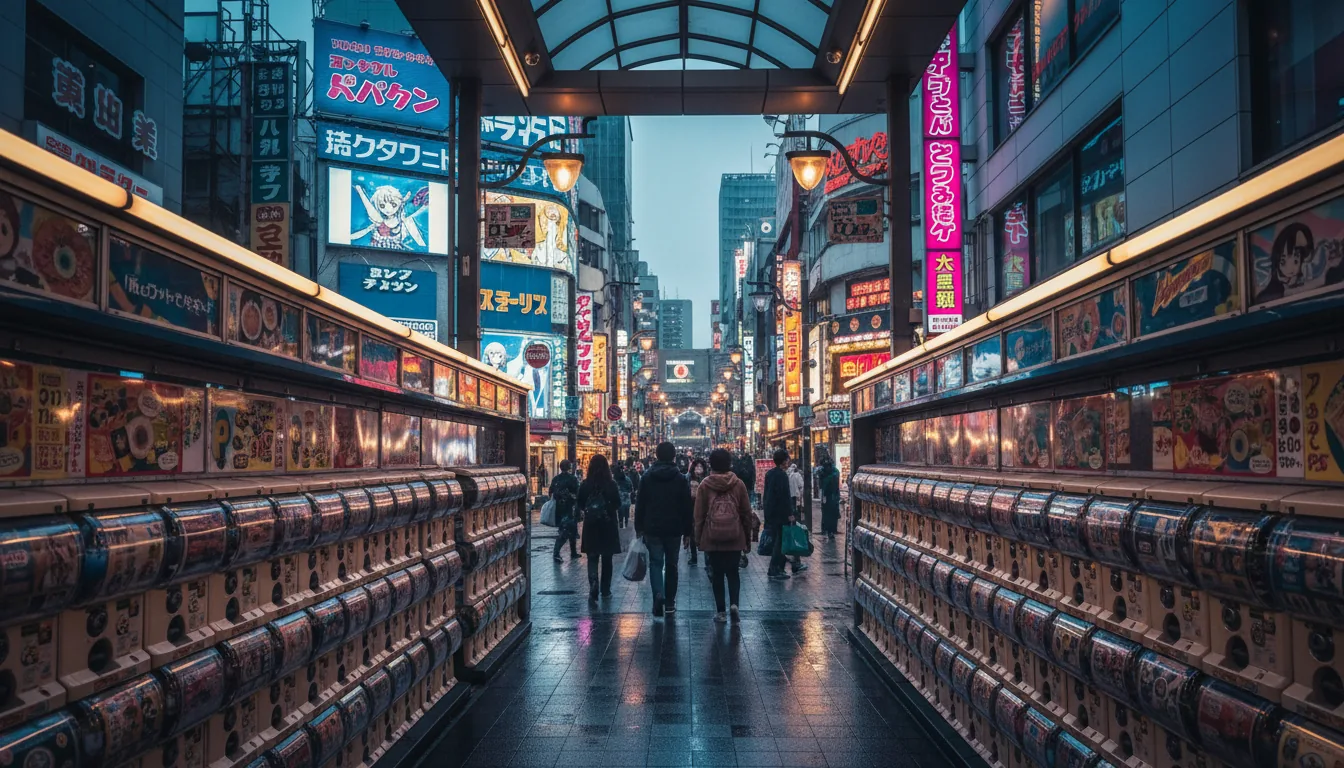
Electric Town is gashapon heaven. The Bandai Gashapon Official Shop has 500+ machines — floor-by-floor guide included.
Full Guide →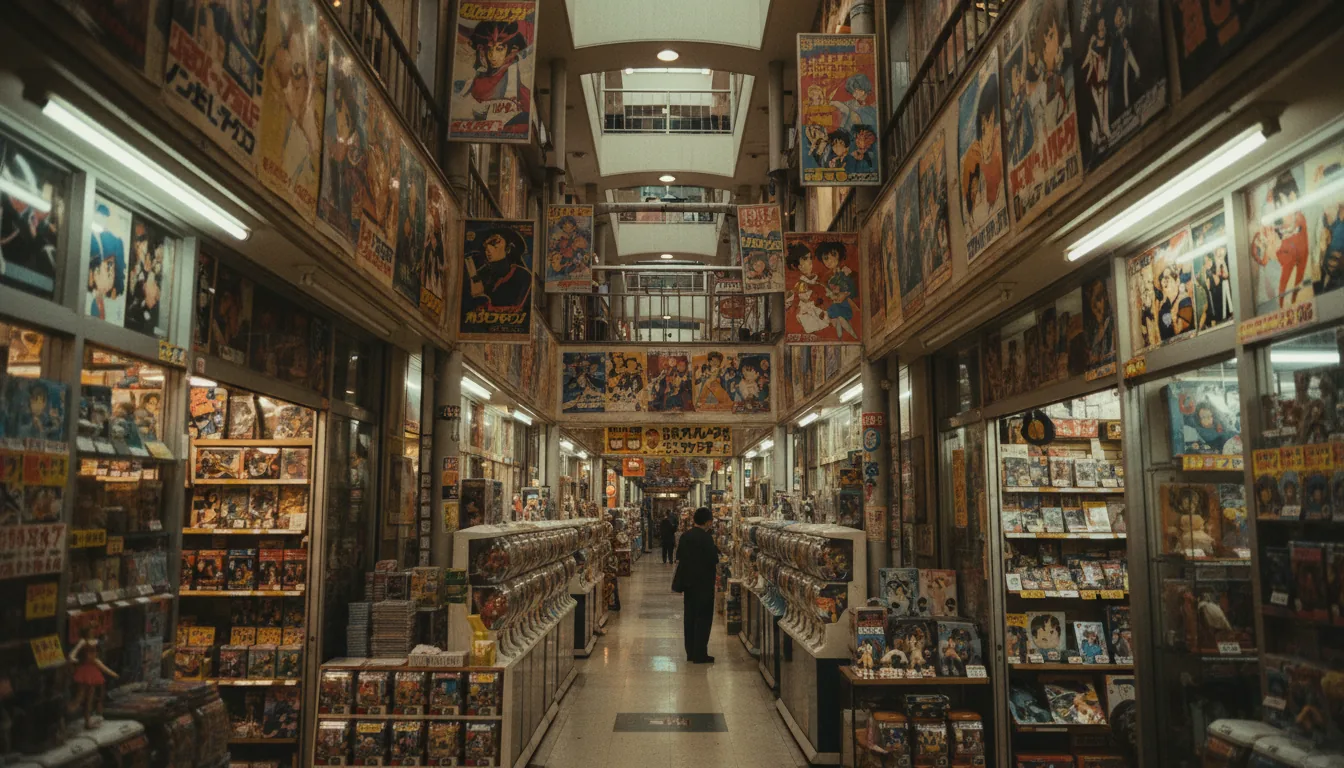
Tokyo's secret collector destination. Mandarake's main location, vintage capsules, and rare second-hand finds you won't see online.
Full Guide →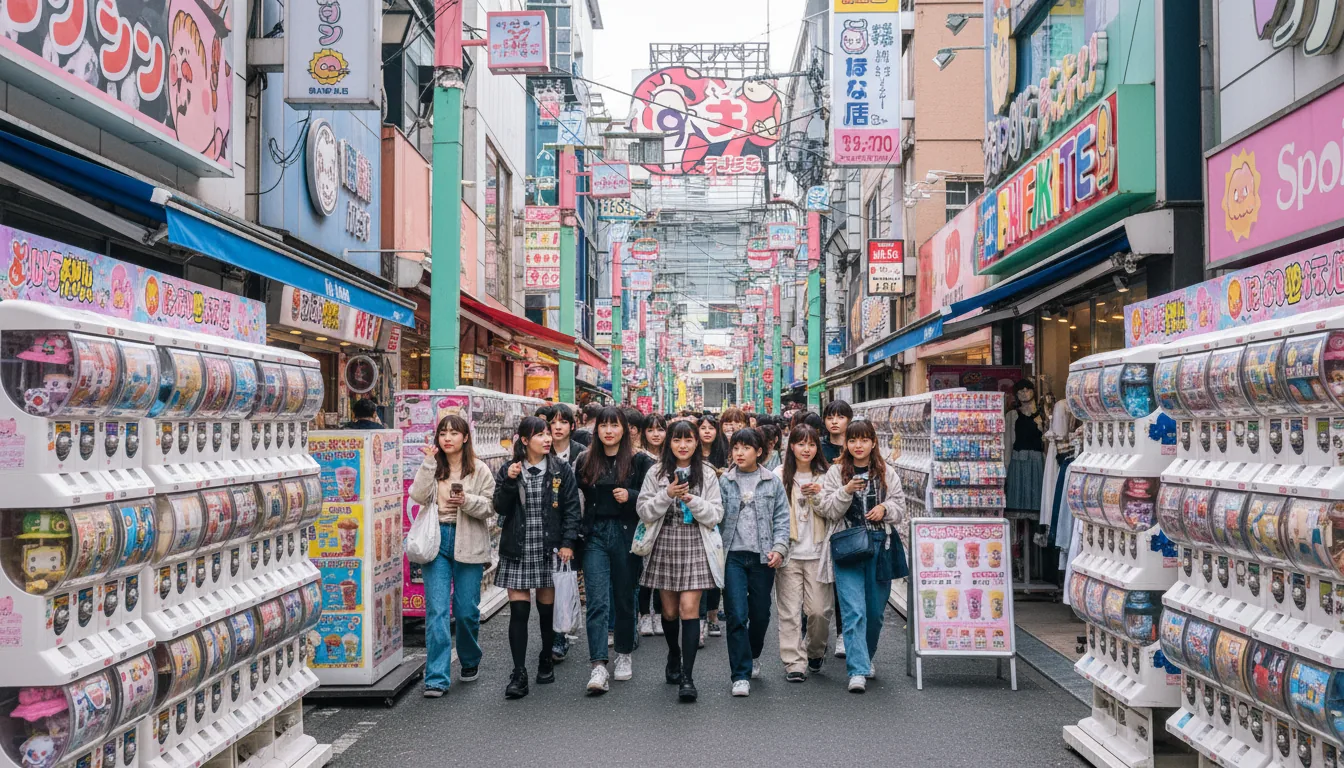
Pop Mart's Tokyo flagship, Kiddy Land on Omotesando, and department-store gashapon floors. The fashionable side of collecting.
Full Guide →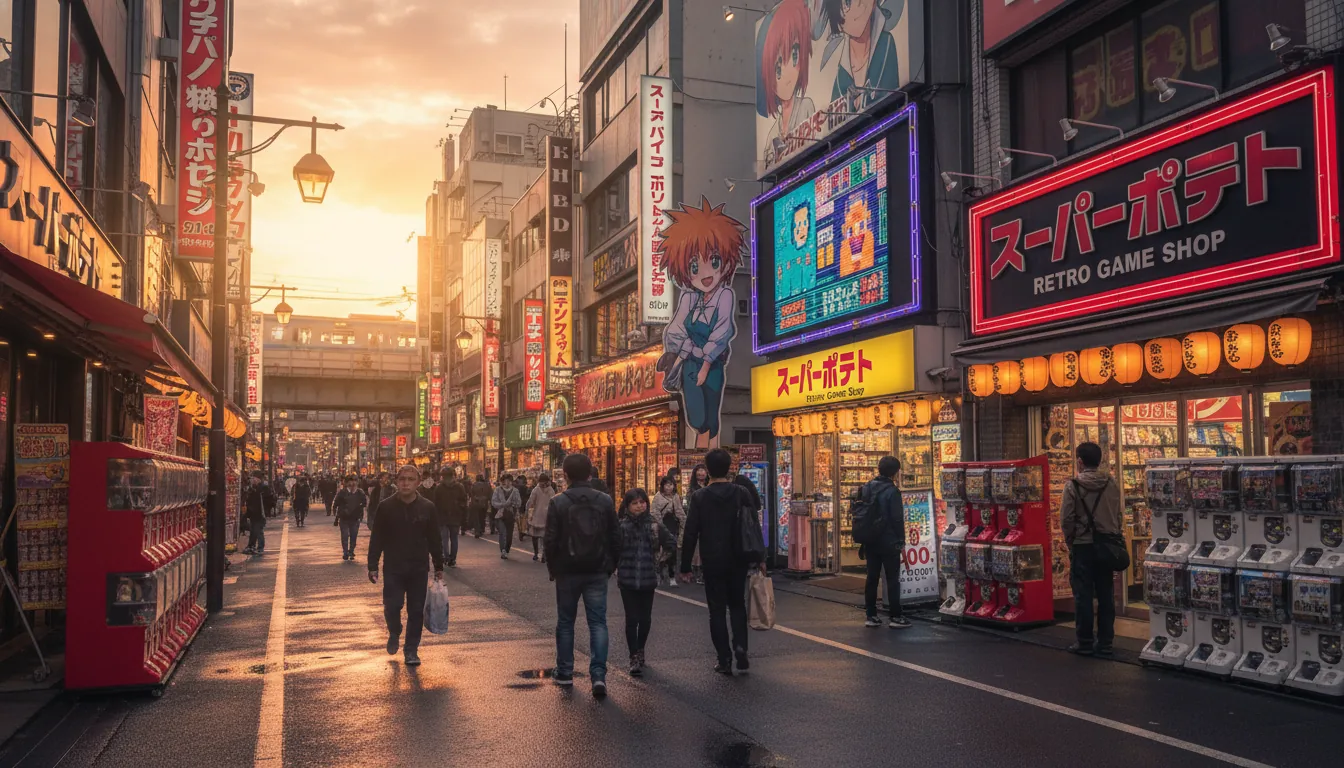
Osaka's equivalent of Akihabara. Less tourist traffic, better prices on used figures, and regional-exclusive gashapon series.
Full Guide →Culture & Lifestyle
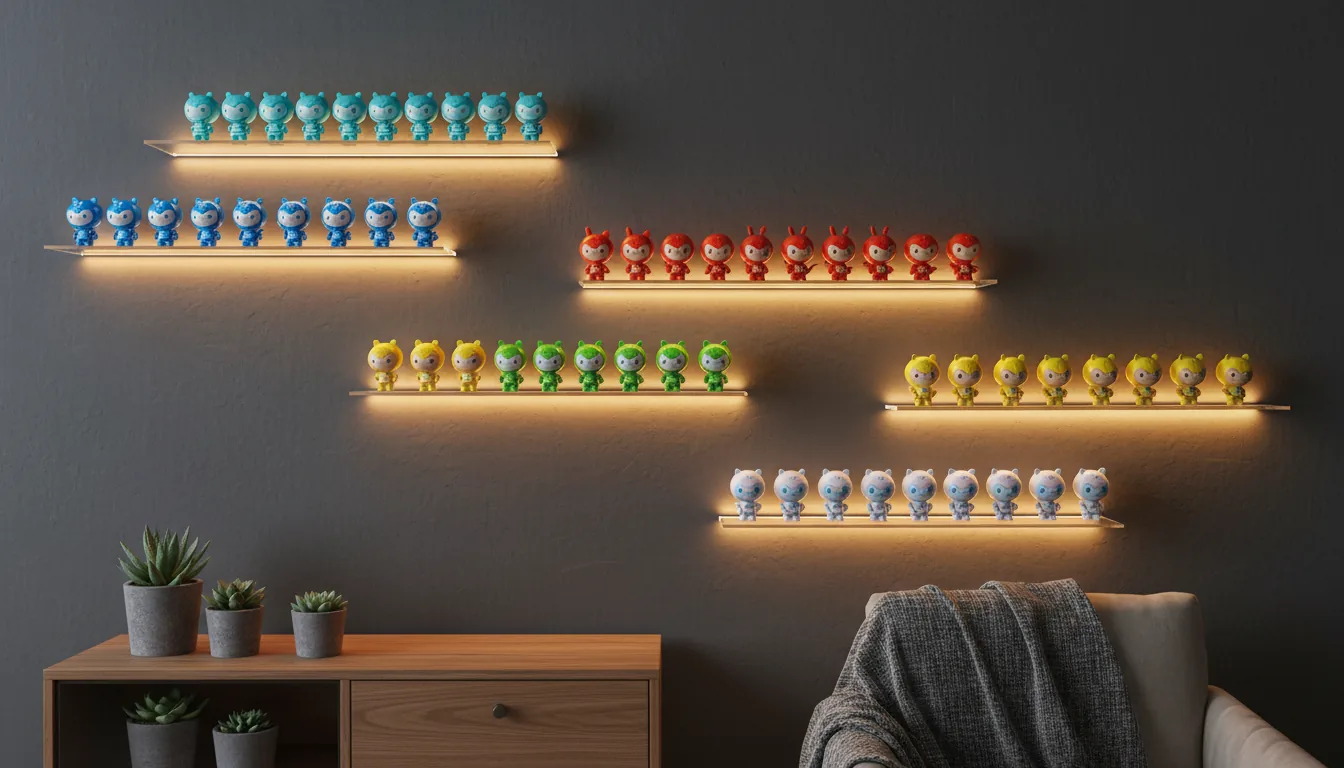
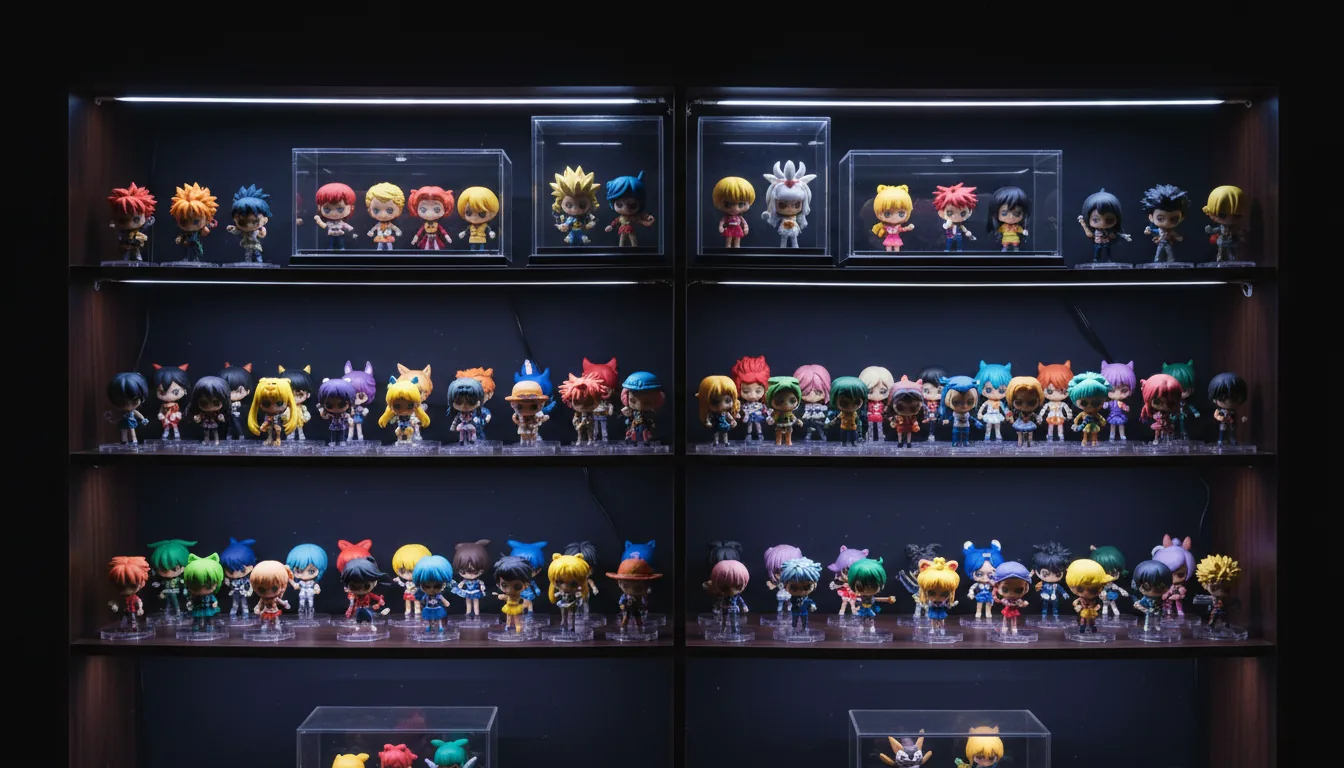
The Ultimate Gashapon Display Setup Guide
Lighting, shelving, and display cases — how to make your collection look like a gallery installation.

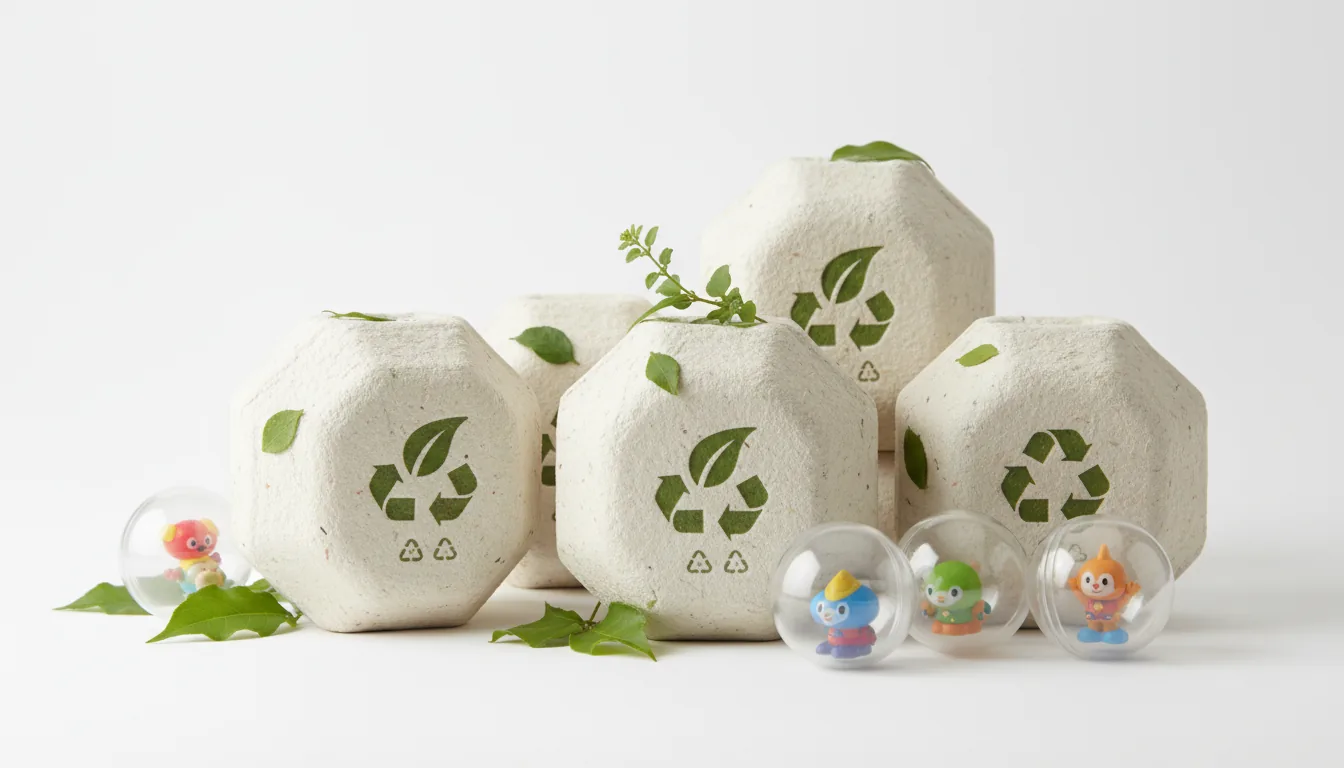
Is Gashapon Sustainable? The Environmental Reality
Plastic capsules, packaging, shipping from Japan — an honest assessment of gashapon's environmental footprint and what's changing.
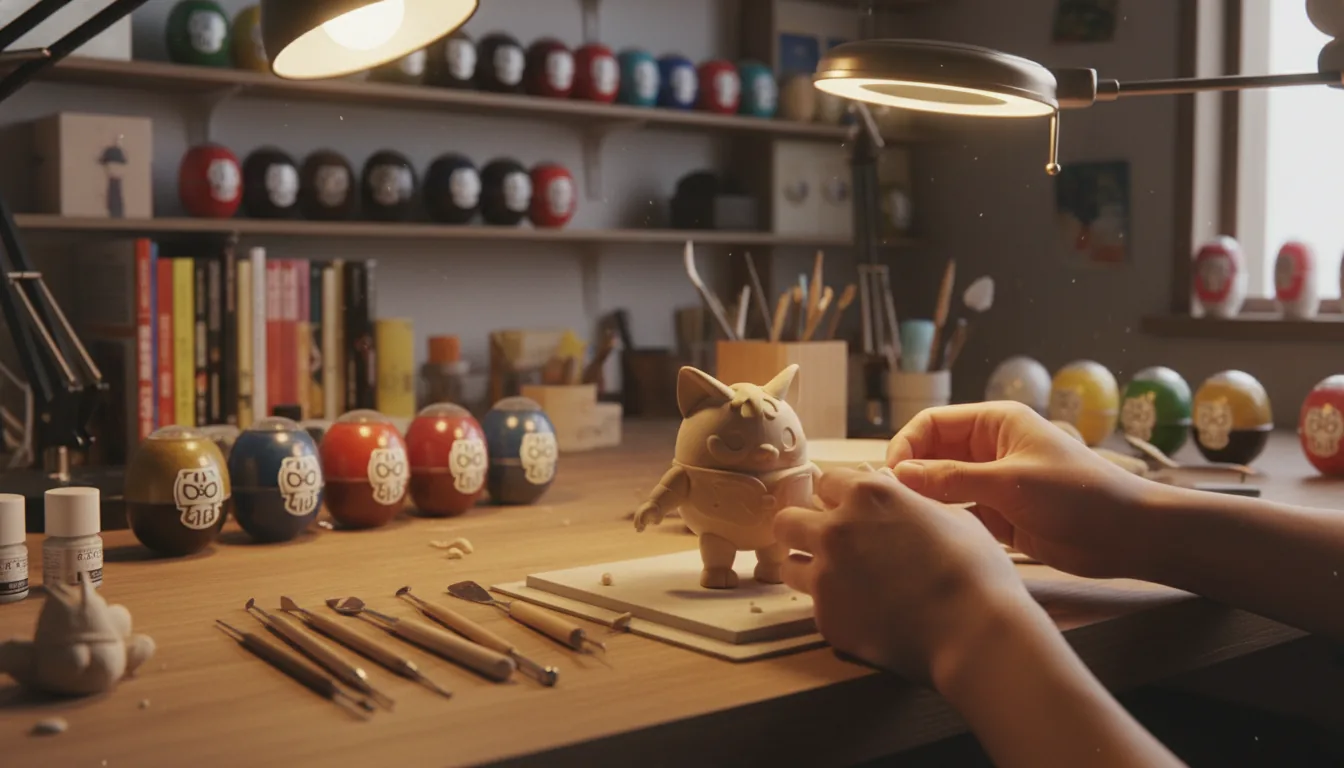
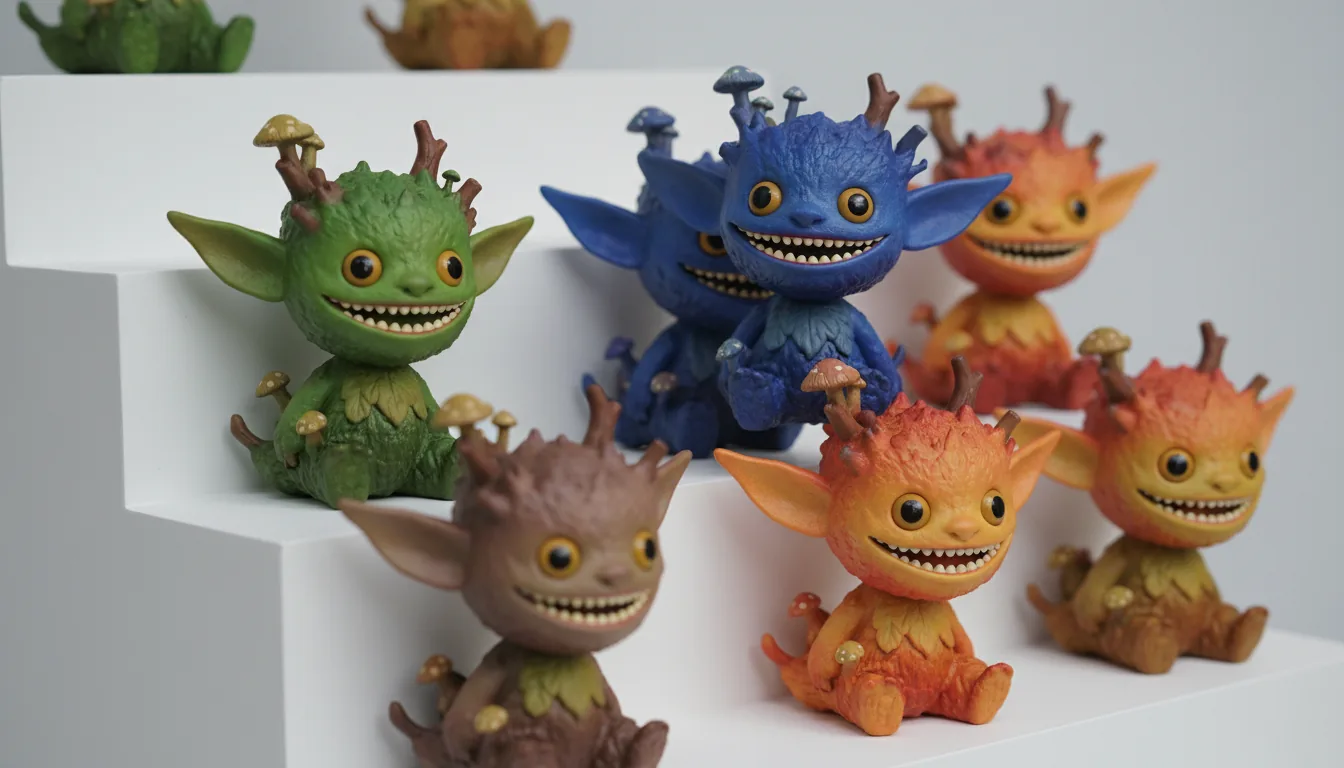
When Gashapon Becomes Art: The Designer Toy Movement
How the line between capsule toy and fine art collectible dissolved — and the artists turning ¥500 pulls into gallery pieces.
Gashapon for Beginners: How to Start Collecting From Zero
Brands, prices, where to buy and how to organise your collection. Everything you need to start.