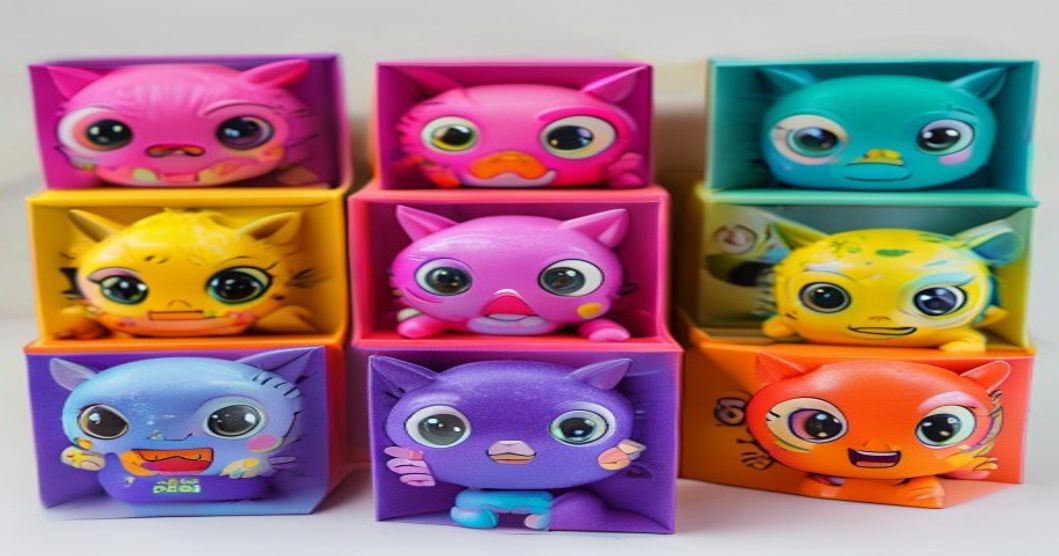
If you've seen those sealed cardboard boxes with cartoon character illustrations in lifestyle stores, toy shops, and airport boutiques — and wondered what's actually inside and why people are so obsessed — this is the guide you need. A blind box is not a toy in the traditional sense, and it's not just a collectible. It is a format that fuses product design, social media unboxing culture, and gambling psychology into one of the most commercially successful consumer product categories of the 2020s.
By the time you finish this guide, you'll understand exactly what a blind box is, how its mechanics create the collecting compulsion, which brands are worth your money, how to identify chase figures before opening (controversially), and how the format compares to gashapon and other collectible formats.
A blind box is a sealed package containing one figure from a predetermined set of characters, chosen randomly at the factory. You don't know which figure you'll receive until you open it. Each set typically contains 6–12 standard designs plus 1–2 rare "chase" or "secret" figures at pull rates of 1:72 or lower. The format creates collecting pressure: you need multiple purchases to complete a set, and the rarest figures command significant premiums.
How Blind Boxes Work: The Mechanics
A standard blind box series contains one sealed cardboard box measuring approximately 7×7×9 cm, holding a single pre-painted PVC figure of approximately 8–12 cm. The exterior of the box shows all possible figures in the set but does not indicate which specific figure is inside. The figure is sealed in tissue paper or bubble wrap inside the box, packed at the factory.
Each retail case (the larger wholesale box sent to retailers) typically holds 12 units. Cases are intentionally configured so that a full case does not guarantee one of every figure — a full case of 12 might contain 2 of figure A, 2 of figure B, but only 1 of figure C, with figure D (the rarest standard figure) appearing only once per 2–3 cases. Chase figures appear at rates of approximately 1:72 individual boxes (roughly 1 per 6 full cases).
This case configuration creates the secondary market. Collectors who buy full cases still need to trade to complete their sets, and chase figure hunters who buy individual boxes have known statistical odds of pulling what they want. The resale market for individual figures is the natural consequence of this designed scarcity.
The Top Blind Box Brands in 2026
Pop Mart — The Global Market Leader
Pop Mart is the company that transformed blind boxes from a niche hobby into a global consumer category. Founded in Beijing in 2010 and publicly listed on the Hong Kong Stock Exchange in 2020, Pop Mart generated approximately RMB¥11.5 billion (~€1.45 billion) in revenue in 2024 — a 100% year-over-year increase driven largely by international expansion into Spain, France, Germany, the US, and Southeast Asia. Pop Mart's key IP are Labubu (by Hong Kong artist Kasing Lung), Dimoo, Hirono, Molly, and The Monsters series. For a complete guide to their catalogue, see our Pop Mart collecting guide.
Sonny Angel — The Original Japanese Blind Box
Sonny Angel predates the blind box boom by a decade — Dreams Co. launched the cherub angel figures in Japan in 2004, and they found their global audience gradually through boutique lifestyle stores before exploding in popularity via social media in 2022–2024. Sonny Angel's core format is simple: a small (8 cm) cherub figure holding a seasonal or themed accessory (fruit, animals, flowers, holiday themes), with one secret "hug me" variant per series. The simplicity is the appeal — each Sonny Angel is a warm, pastel-toned object that works as both collectible and décor. Secondary market for rare series variants runs €30–€150. See our Sonny Angel complete guide.
Labubu (Pop Mart x Kasing Lung)
Labubu is the IP that made blind boxes global headline news. Created by Hong Kong-Belgian artist Kasing Lung and licensed to Pop Mart, Labubu is a pointy-eared, sharp-toothed monster figure whose contradictory "cute but dark" aesthetic became a viral internet phenomenon in 2023–2024. K-pop celebrity Lisa of BLACKPINK posting her Labubu collection generated millions of social media impressions and sold out global inventory within days. Pop Mart's Labubu 'The Monsters' and 'Have a Seat' series are the most liquid blind box items on the secondary market globally, with chase variants at €200–€800. Our Labubu buying guide covers every current series.
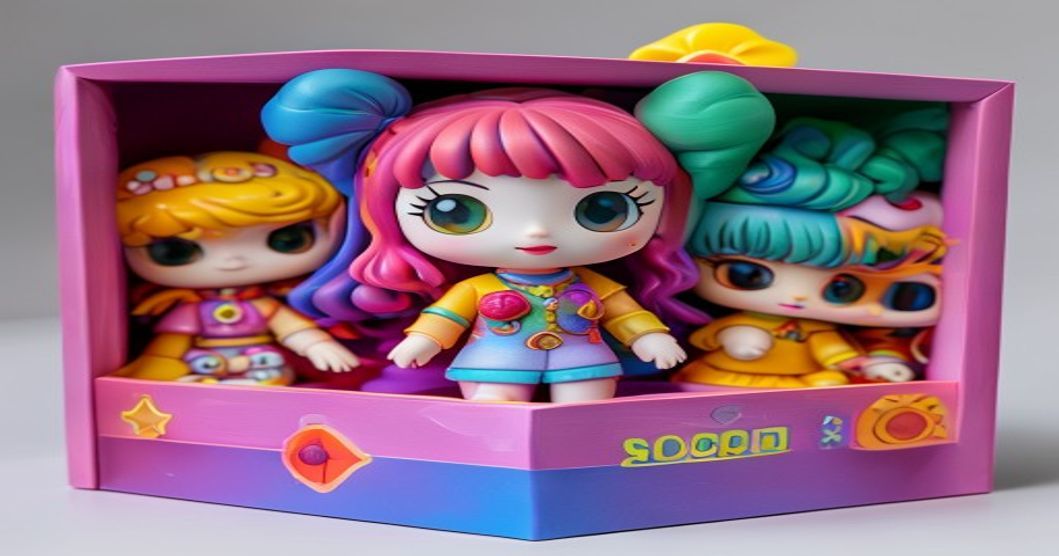
Blind Box vs Gashapon: Key Differences
Both formats use randomization and create collecting compulsion — but they have meaningfully different origins, aesthetics, and communities.
- Distribution: Gashapon use coin-operated vending machines; blind boxes are sold through retail shops (Pop Mart stores, Fnac, concept stores, airport boutiques).
- IP type: Gashapon primarily use licensed anime IP (Dragon Ball, One Piece, Demon Slayer). Blind boxes primarily use original character designs (Labubu, Dimoo, Molly) or artist-collaborations.
- Price per unit: Gashapon pulls cost €2–€5; blind boxes typically cost €10–€18. This makes blind boxes 3–5× the per-unit cost.
- Figure size: Gashapon figures are typically 6–10 cm. Blind box figures are typically 8–12 cm.
- Aesthetic: Gashapon skew toward anime aesthetics (dynamic poses, effect parts, character-accurate colors). Blind boxes tend toward soft, rounded, lifestyle-friendly designs that work as home décor objects.
Many collectors enjoy both formats for different reasons — gashapon for anime franchise collecting and investment, blind boxes for the design aesthetic and lifestyle integration. The formats are complementary rather than competitive for most serious collectors.
Should You Start Collecting Blind Boxes?
Collect blind boxes if: you are drawn to original character designs and designer toy aesthetics rather than anime IP; you want figures that function as home décor objects and conversation pieces; you enjoy the social media unboxing culture that surrounds the format; and you are comfortable with the €10–€18 per-pull price point.
Be cautious if: you find it difficult to control compulsive spending (the randomization mechanic is designed to encourage repeat purchasing); you primarily want figures of specific anime characters (gashapon are better for this); or you are primarily focused on investment return (the best investment opportunities in blind boxes are much narrower than in gashapon secret rares).
For the complete 2026 overview of the best blind box series to collect, see our best blind boxes of 2026 guide. For an honest look at resale value and when blind boxes become investments rather than just collecting, our Pop Mart resale guide covers the secondary market in depth.