The Pop Mart Resale Market: An Overview
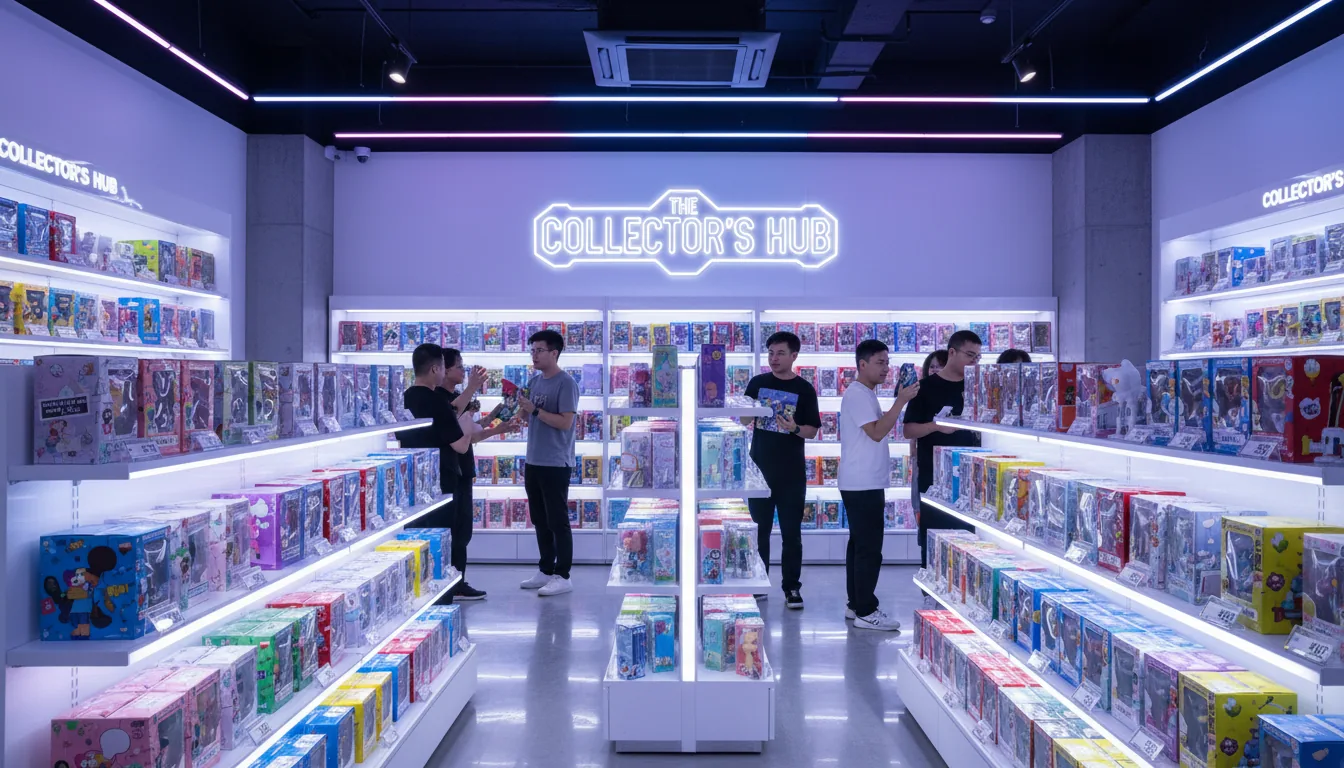
Pop Mart's secondary market has grown from a niche collector phenomenon into a structured, multi-platform resale economy worth hundreds of millions of dollars globally. What began as informal Facebook group trading in the early 2020s has evolved into sophisticated market infrastructure, including dedicated price tracking apps, StockX integration for select figures, and live auction platforms like Whatnot where blind box flipping has become a form of entertainment as much as commerce.
The scale is significant. Pop Mart generated approximately 9.3 billion RMB (around $1.3 billion USD) in revenue in 2024 alone. The secondary market — trading in previously purchased or opened Pop Mart products — is estimated to add another 30–50% to that figure in total transaction value. China's Dewu (Poizon) platform, which serves as both a sneaker and collectible authentication marketplace, lists tens of thousands of Pop Mart products at any given time. In Western markets, Whatnot has emerged as the dominant live-selling venue for Pop Mart figures, with top sellers generating six-figure annual revenues from blind box content alone.
This guide cuts through the noise and gives you the actionable intelligence you need to navigate this market — whether you are a collector looking to fund your hobby, a reseller seeking consistent margins, or an investor treating Pop Mart like any other alternative asset class.
Which Series Appreciate Most
Not all Pop Mart series are created equal from a resale perspective. Several factors determine whether a series will hold value, appreciate, or collapse after the initial retail window closes.
Molly (Kennyswork)
Molly is Pop Mart's founding character and maintains the broadest collector base. Standard Molly figures from current series appreciate modestly — 20–50% above retail within 6 months for popular colorways. However, Molly Secret figures from early series (2018–2020) have seen 3–8x appreciation, with some individual pieces trading at $200–$600. The Molly Career series and Molly Zodiac series are particularly valued by completionist collectors, which sustains demand for individual figures that complete sets.
Labubu (Kasing Lung / THE MONSTERS)
Labubu experienced a viral demand explosion following the Lisa BLACKPINK viral moment in 2024. Standard Labubu figures that retailed at $18–$22 were selling for $80–$150 within weeks of the viral event. Secret Labubu figures from key series like "Wild Draw" and "Have a Seat" have traded at $300–$800. The 2026 market has somewhat normalized from those peaks, but Labubu remains the highest-velocity resale character in the Pop Mart portfolio, with consistent 2–5x regular figure appreciation for popular series.
Skullpanda
Skullpanda (designed by Ayan) appeals to the darker aesthetic end of the collector market. Its gothic, dramatic visual language attracts a dedicated buyer pool that overlaps significantly with streetwear and alternative fashion communities. Skullpanda Secret figures are among the most consistently valuable in the entire Pop Mart catalog — the Secret from "Skullpanda The Ink" series traded at $400–$900 for extended periods after that series' release. Standard Skullpanda figures appreciate at 50–100% above retail on average.
CRYBABY (Molly's rival character)
The CRYBABY line, developed through a Pop Mart collaboration, attracted significant attention for its distinctive emotional aesthetic. Collaboration series between CRYBABY and brands like POWERPUFF GIRLS generated immediate secondary market premiums of 2–4x retail for the full set and 5–10x for Secret figures.
The Secret Figure Premium
The Secret figure is the defining mechanic of the Pop Mart blind box system and the primary driver of secondary market economics. Understanding Secret figure odds and market behavior is essential to any resale strategy.
Standard Pop Mart series include one Secret figure hidden within each case of product. The odds of pulling a Secret vary by series, but the most common ratio is 1 Secret per case of 144 individual boxes — meaning a 1-in-144 chance per purchase (approximately 0.69%). Some series offer improved odds at 1-in-72, while especially limited releases can be as rare as 1-in-720.
The financial math around Secrets is straightforward. At $15 retail per box and 1-in-144 odds, the expected cost of pulling a Secret through normal purchasing is $2,160 (144 × $15). Since most Secret figures trade at $200–$2,000 on the secondary market, the resale premium exists because:
- Most people buy 1–5 boxes, not 144
- The experience of pulling a Secret is memorable and shareable
- Secrets serve as the "jackpot" that drives the entire blind box participation loop
For resellers, this means: if you pull a Secret, sell it. The math is almost always in your favor unless you have strong conviction that the specific figure will appreciate significantly further. The opportunity cost of holding a liquid $200–$500 asset is real.
Top Platforms for Selling Pop Mart
StockX
StockX entered the Pop Mart space in 2022 and has become the gold standard for authenticated resale of high-value figures. StockX's authentication process and anonymized bidding/asking price model provides price transparency that benefits both buyers and sellers. Fees on StockX are approximately 9–10% seller fee plus a payment processing fee. StockX works best for figures valued at $100+ where authentication is important to buyers. The breadth of buyer reach is exceptional for premium pieces.
Whatnot
Whatnot is a live-auction video platform that has become the dominant venue for Pop Mart resale in the US. Sellers stream themselves opening blind boxes, selling individual figures, or auctioning off rare pieces in real time. The platform takes approximately 8% commission. Whatnot rewards sellers who build audiences — the platform's algorithm surfaces content to buyers based on seller reputation and stream quality. Top Whatnot Pop Mart sellers report margins of 20–40% on standard figures through volume and community building.
eBay
eBay remains the largest single venue for Pop Mart resale by listing volume. Its global buyer pool is unmatched, particularly for international transactions. Standard seller fees are approximately 12.9–13.25% of total sale amount. eBay's "sold" listing history is one of the most reliable price research tools available — always check completed sales (not just active listings) to understand true market value.
Mercari
Mercari US charges a flat 10% selling fee plus payment processing. The platform has a large collector community and is particularly active for mid-range figures ($20–$150). Mercari Japan (via proxy or freight forwarding) provides access to the Japanese Pop Mart market, where some region-exclusive figures are more readily available and priced differently than in Western markets.
Facebook Pop Mart Groups
Dedicated Pop Mart Facebook trading groups operate as peer-to-peer marketplaces with no platform fees. The largest groups have 50,000–200,000 members. The absence of fees makes these groups attractive for both buyers and sellers, but they require more trust-building and have limited dispute resolution. Establishing a positive trading reputation in these communities pays dividends over time.
Local Apps (OfferUp, Nextdoor, Craigslist)
Local selling eliminates shipping costs and fees, which can meaningfully improve margins on lower-value figures. In major metropolitan areas, Pop Mart buyer density is high enough to make local selling viable. The primary risk is personal safety during meetups — always meet in public spaces, preferably police station parking lots designated for online transactions.
Price Tracking Tools
Buying or selling without price research is the fastest way to leave money on the table or overpay. These tools give you market intelligence before you transact.
- Pop Price Guide (popguide.app): The most comprehensive Pop Mart-specific price database. Tracks secondary market transactions, calculates average sale prices, and provides historical price charts. Essential for any serious reseller.
- eBay Sold Listings: Filter by "Sold Items" in eBay search to see real completed transaction prices. This is ground truth for eBay market value and often the most current data available.
- StockX Price Charts: For premium figures listed on StockX, the price chart history shows bid/ask spreads and actual transaction prices over time. Excellent for identifying price trends.
- Dewu (Poizon): The Chinese authentication resale platform lists enormous volumes of Pop Mart product and provides Chinese market pricing — which often leads Western market prices by 2–4 weeks given that many trends originate in China.
- Xianyu (Alibaba's C2C platform): Used by Chinese collectors, Xianyu often surfaces distressed inventory at below-market prices that sellers can arbitrage to Western platforms with appropriate authentication diligence.
The Flipping Math
A clear-eyed look at the economics of Pop Mart flipping reveals that it is viable but requires volume and discipline to generate meaningful income.
Scenario: Single Blind Box Flip (Standard Figure)
Scenario: Secret Figure Flip (Labubu popular series)
The single-box flip math is marginal at best when selling standard figures through fee-bearing platforms. Profitability at scale requires either: buying in case quantities at slight discount, selling on fee-free local channels, or focusing exclusively on Secret figures and high-premium pieces. The most successful Pop Mart resellers combine all three strategies, treating the standard figures as low-margin volume business while optimizing for Secret figure liquidity events.
Set Seal Speculation
Some resellers purchase entire sealed cases of a new series — betting that the set's value will appreciate before they break the seal. This strategy works when a series goes viral or sells out rapidly at retail. Risk is significant: if a series underperforms expectations, sealed cases may trade below retail and the speculator is stuck with a depreciating asset. Only engage in set seal speculation with series where you have high conviction based on artist reputation, licensee strength, or pre-launch buzz signals.
Buying for Investment vs Collecting
The mindset difference between investment buyers and collector buyers is fundamental and shapes every decision in the hobby.
Collectors buy what they love. They display their figures, track them emotionally, and the financial dimension is secondary. When a beloved series appreciates, that is a pleasant bonus. When it does not, the enjoyment of the collection still validates the purchase. Collectors tend to be better long-term holders — they do not panic-sell when a series dips 20%, which often means they are still holding when recovery occurs.
Investment buyers treat Pop Mart like any other alternative asset: they buy based on projected appreciation, set target returns, and sell when those targets are met regardless of personal attachment. This approach can generate real returns but requires more active management, better market intelligence, and clear-eyed discipline when a thesis does not work out.
A portfolio approach — allocating a defined budget to figures you believe will appreciate, separate from your "for love" collection — is the model most experienced collectors recommend. This keeps the joy of collecting intact while allowing for calculated speculation without risking your core collection.
Tax Implications of Pop Mart Resale
This section covers US tax context. Consult a qualified tax professional for your specific situation and jurisdiction.
Hobby vs Business Income
The IRS distinguishes between hobby income (casual selling) and business income (systematic profit-seeking activity). If you sell Pop Mart figures occasionally and inconsistently, the IRS may classify your activity as a hobby. Under current US tax law, hobby income is fully taxable but hobby-related expenses are not deductible. This creates an asymmetric tax position that favors treating selling as a business if your activity is regular.
If you operate as a business (even a sole proprietorship), you can deduct the cost of goods sold, platform fees, shipping costs, packaging, and a portion of your home office expenses against your resale revenue. This typically results in a significantly lower effective tax rate than hobby treatment.
Recordkeeping
Keep records of: every purchase price and date, every sale price and date, all platform fees paid, all shipping costs. A simple spreadsheet tracking these four data points per transaction is sufficient for most small-scale resellers. For volume sellers, accounting software like Wave (free) or QuickBooks integrates with platform data exports to automate much of this tracking.
1099-K Threshold
In the US, platforms like eBay, Mercari, and Whatnot are required to issue 1099-K tax forms when your annual sales on their platform exceed $5,000 (under current 2026 rules). Receiving a 1099-K does not mean you owe tax on the full amount — your cost basis and deductible expenses reduce your taxable income — but it does mean the IRS has visibility into your sales volume.
Red Flags When Buying Resale
The Pop Mart secondary market, like any high-value collectible market, attracts fraud. These red flags should immediately trigger skepticism or walk away decisions.
- Sealed box manipulation: Some sellers weigh or shake boxes to identify heavier Secret figures, then sell the "non-secret" boxes as normal sealed product while keeping the Secrets. Always buy sealed cases from trustworthy sellers or purchase single boxes only when you do not have Secret-pull expectations baked into your valuation.
- Counterfeit Secret figures: The most valuable figures attract the most sophisticated counterfeiting. High-value Secrets ($200+) should always be purchased through authenticated platforms (StockX, Dewu) or from sellers with extensive positive feedback on authenticated-figure resale specifically.
- Below-market pricing: A Labubu Secret listed at $50 when market price is $300 is almost certainly either counterfeit or the product of a scam listing designed to collect payment without delivery. If it seems too cheap to be legitimate, it is.
- No return policy: Legitimate resellers accept returns on items that arrive damaged or significantly not as described. Sellers who explicitly refuse all returns for high-value items are a red flag.
- Pressured timing: "Only 2 hours left on this price" or "multiple buyers interested" tactics applied to collector figure listings are manipulation. Take the time you need to verify before purchasing.
2026's Hottest Figures to Watch
Based on early 2026 market data, community sentiment analysis, and Pop Mart's announced release calendar, these emerging series show strong appreciation potential through the rest of the year.
- THE MONSTERS — Space Adventures: A Kasing Lung-designed space theme Labubu variant announced for Q2 2026. Given Labubu's track record, expect immediate 2–4x secondary market premium at launch.
- HIRONO (Sank Toys collaboration): The HIRONO character has developed a loyal following among art toy collectors. Upcoming limited collaboration pieces are expected to generate strong secondary market activity.
- MEGA Collection — Labubu 1000%: Large-format (1000% scale) blind figures represent the premium segment of Pop Mart's catalog. The next Labubu 1000% release is anticipated to generate $500–$2,000+ secondary market values based on previous similar releases.
- CRYBABY x Powerpuff Girls Vol. 2: The first volume's Secondary market performance (2–5x retail on standard figures, 8–12x on Secret) makes a sequel extremely anticipated. Watch for launch announcement timing to position before retail stock clears.
- New artist introductions: Pop Mart's track record of signing emerging artists means monitoring their annual new-character announcements is worthwhile. Characters that launch with strong visual identities and clear aesthetic niches tend to develop collector communities faster.
Pop Mart Resale Reference Table
| Series | Retail Price | Secret Value | Regular Appreciation | Best Platform |
|---|---|---|---|---|
| Molly Zodiac | $15 | $200–$400 | 1.5–2x | eBay / StockX |
| Labubu Wild Draw | $18 | $400–$800 | 2–4x | StockX |
| Labubu Have a Seat | $18 | $300–$600 | 2–3x | StockX / Whatnot |
| Skullpanda The Ink | $15 | $400–$900 | 1.5–3x | StockX |
| CRYBABY x PPG Vol.1 | $15 | $180–$400 | 2–5x | eBay / FB Groups |
| DIMOO Space | $15 | $150–$350 | 1.2–2x | Mercari |
| Molly Career Series | $12 | $100–$250 | 1.2–1.8x | eBay |
| HIRONO Little Mochi | $15 | $120–$300 | 1.3–2x | Mercari / eBay |
| MEGA Labubu 1000% | $120 | N/A (no secret) | 2–6x | StockX |
| BUNNY (new 2026) | $15 | TBD | Watch | Monitor |
Values reflect secondary market data from April 2026. Past appreciation does not guarantee future performance. All resale involves financial risk.
Building a Sustainable Resale Operation
The collectors who build sustainable Pop Mart resale operations share several characteristics. They specialize — rather than buying everything, they develop deep expertise in one or two character families and understand those micro-markets better than casual participants. They maintain relationships with retail staff who can flag restocks, they cultivate buyer communities who trust their authentication and sourcing, and they reinvest profits rather than treating every sale as immediate income.
The most durable competitive advantage in Pop Mart resale is community trust. A seller known for accurate descriptions, honest authentication, and responsive communication commands price premiums over anonymous listings and builds repeat customer relationships that reduce customer acquisition cost over time. Treat every transaction as an opportunity to build that reputation, regardless of the figure's value.