Step 1: Find Your Niche
The single biggest mistake new gashapon collectors make is trying to collect everything. Gashapon spans thousands of active series across dozens of categories — attempting to keep up with all of it leads to unfocused spending, cluttered displays, and the exhausting feeling that you're always behind. The collectors who are happiest and most satisfied are the ones who know exactly what they collect and why.
Take 10 minutes before spending a single dollar and honestly answer: which of these categories genuinely excites you?
Anime and Manga Characters
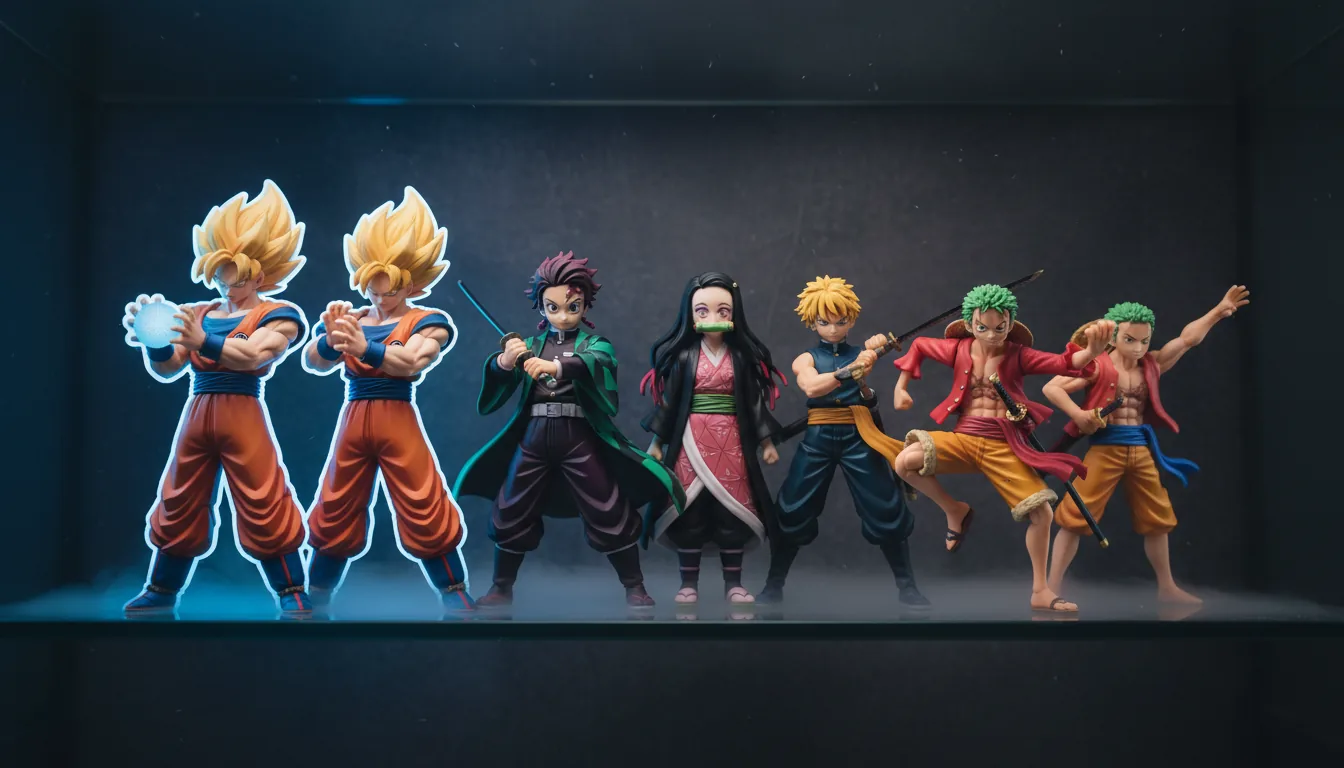
If you're already an anime fan, collecting gashapon from series you love is the most natural entry point. Every major anime franchise produces gashapon: Demon Slayer, My Hero Academia, One Piece, Naruto, Dragon Ball, Attack on Titan, and hundreds more. The advantage is deep emotional connection to the subject matter — the figure of Tanjiro Kamado means something to you as a Demon Slayer fan. The disadvantage is that popular anime series produce enormous amounts of merchandise, and it's easy to overspend chasing every variant.
Recommendation: pick one or two anime series you truly love and collect those deeply rather than spreading across many series superficially.
Cute and Kawaii (Animals, Food, Everyday Objects)
If the appeal is aesthetic — soft colors, round shapes, adorable animal characters — then the kawaii gashapon category is your home. Kitan Club dominates this space with their remarkable animal series (Cat Life, Bear in Bag, etc.) and Bandai's Tamagotchi and Sanrio lines are genre classics. This category is beginner-friendly: series are usually 6–8 figures, prices are consistent (¥200–¥300, roughly $1.50–$2.25), and complete sets are achievable without luck-hunting for chase figures.
Weird and Bizarre
If the appeal of gashapon is specifically Japan's willingness to make things that no other country would make, embrace the weird category. The bizarre gashapon tradition (cats in bread, tired ducks, office workers in crisis) has a passionate collector community that appreciates the conceptual and cultural content of these objects as much as their visual appeal. This category often produces the best conversation pieces and the most memorable displays.
Scientific and Naturalistic
Kaiyodo and Colorata produce museum-quality miniature figures of dinosaurs, marine life, insects, and other natural history subjects. These appeal to collectors who appreciate technical sculpting accuracy over commercial character recognition. Some Kaiyodo series are produced in collaboration with actual natural history museums and feature sculptor credits from artists who also create professional museum displays. This is a sophisticated, often underappreciated category.
Food Miniatures
Re-Ment and Kitan Club produce extraordinarily detailed miniature food figures — Japanese convenience store bento, traditional wagashi sweets, school lunch trays, and coffee shop menu items. These appeal to the same instinct that drives interest in miniature dollhouse furniture and props: the pleasure of perfect tiny-scale recreation. Food miniature collectors often display these in diorama settings alongside character figures.
Sci-Fi, Mecha, and Gaming
Bandai Namco's figure lines (Mobile Suit Gundam, Star Wars, Ultraman, and video game crossovers) represent one of the largest categories in gashapon. The quality ceiling is high — some Bandai gashapon rival prize figures in sculpting quality. This category appeals to collectors who already have interest in these franchises and want affordable additions to existing collections of larger figures or model kits.
Step 2: Set Your Budget — $20–$50/Month for the First 90 Days
Gashapon collecting is affordable at the entry level — individual figures retail for ¥200–¥500 ($1.50–$4) from machines in Japan, or $3–$8 from international retailers. A $20–$50/month budget covers enough purchases to explore the hobby meaningfully without creating a financial commitment that becomes uncomfortable when novelty fades.
The 90-day rule is important: give yourself three months before increasing your budget. Many new collectors experience a burst of enthusiasm in the first month, over-purchase, and then find themselves with 40 figures from 12 different series that don't cohere as a collection. Three months is enough time to identify which series you actually enjoy living with versus which ones were excitement-driven impulse purchases.
Budget Breakdown for Beginners
$20/month starter budget: Covers 3–5 figures per month from international retailers at $4–$6/figure, or 6–10 machine pulls if you have local gashapon access. Sufficient to complete one small series (6 figures) per month. Ideal for people exploring the hobby who aren't sure they'll continue long-term.
$35/month casual budget: Covers 5–8 figures monthly with some flexibility for secondary market purchases when completing a set. This is the most common beginner budget that converts into ongoing collecting habits.
$50/month enthusiast budget: Sufficient to complete two 6-figure series monthly from retail or 10–15 individual figures from varied sources. Covers most new releases from a favorite manufacturer monthly. This budget level typically leads to ongoing, growing collections.
Do not account for trades in your initial budget. The gashapon community has an active trade culture (duplicates are common due to random dispensing), and over time you'll be able to complete sets partially through trades, effectively stretching your purchasing budget. But don't rely on this as a beginner — build trade relationships gradually.
Step 3: Where to Buy Gashapon
Gashapon is available through several distinct channels, each with different pricing, selection, and sourcing implications.
In Japan: The Primary Market
If you're visiting Japan, the machine experience is irreplaceable. Gashapon machines are everywhere: Tokyo's Akihabara district has blocks dedicated entirely to banks of machines. Train stations, convenience stores (FamilyMart, Lawson, 7-Eleven), Don Quijote variety stores, and toy shops all have machines. Machine prices (¥200–¥500, rarely ¥800 for premium series) are the lowest you'll find anywhere for new figures.
For collectors not visiting Japan, importers bring stock to Western markets through several channels. Shipping from Japan directly is expensive ($15–$30 for a small package), making individual figure purchases poor value. Ordering 10+ figures at once (either a full set or from multiple series) makes the shipping cost worthwhile.
International Online Retailers
Several retailers specialize in Japanese gashapon for international collectors:
AmiAmi (amiami.com): Japan's largest figure retailer ships internationally. Excellent selection of new releases at near-retail prices. Signup required, good reputation for quality and shipping reliability. Search "capsule toy" or specific series names.
Nin-Nin Game (nin-nin-game.com): Good for Bandai products specifically. Prices slightly above AmiAmi but often have stock when AmiAmi is sold out.
AliExpress: Massive selection at very low prices, but heavily weighted toward Chinese-manufactured goods. Many authentic Kitan Club and Bandai products are manufactured in China and available here at near-machine prices. Be cautious of bootlegs — stick to sellers with high ratings and product images showing official manufacturer branding. Shipping times are 2–4 weeks for standard shipping.
Amazon Marketplace: Gashapon sellers exist on Amazon in most Western markets. Convenient but prices are typically 2–3× higher than AmiAmi or AliExpress for the same products. Useful when you want specific figures quickly and convenience matters more than price.
Secondary Market (Pre-owned and Duplicates)
Mercari Japan (jp.mercari.com, accessed via Buyee, Tenso, or ZenMarket proxy services): The best secondary market for individual figures from complete sets, rare series, and older out-of-production gashapon. Pricing is often better than international retailers for singles. Proxy service fees add 8–12% to total cost.
eBay: The most accessible secondary market without proxy services. Pricing is typically 30–60% above Japanese secondary market prices. Best for expensive figure searches where you need to pay Western prices for convenience.
r/gashapon's weekly trade thread: the community actively trades and sells duplicates among members at fair prices. This is the best source for single figure gap-fills when you're completing a set.
Local Gashapon Machines (Western Markets)
Gashapon machines are increasingly available in Western markets. Round1 entertainment centers (US, multiple cities) operate authentic Japanese-style gashapon banks. Anime specialty stores often have machines. Some Mitsuwa or Japanese grocery stores have machines. Local machine prices range from $2–$5 per pull and stock more slowly than Japan.
Step 4: Your First 5 Series — Recommendations by Taste
These series are recommended specifically for first-time collectors: affordable, widely available internationally, highly regarded, and representative of their respective categories.
If You Love Cute Animals: Kitan Club "Neko ni Bukuro" (Cat in a Bag)
6 figures, all cats sitting in different transparent shopping bags. Widely available on AliExpress for $3–$5/figure. Complete set: $18–$30. Excellent first series because every figure is likeable, the series is complete and affordable, and it showcases exactly what makes Kitan Club special — a single absurd concept executed perfectly across multiple variations.
If You Love Anime: Bandai World Collectable Figures (WCF) — Demon Slayer Vol.1
8 figures covering the main cast of Demon Slayer in Bandai's distinctive chibi-style WCF format. Available from AmiAmi, Nin-Nin Game, and Amazon at $5–$8/figure or as a complete set for $40–$60. This introduces you to Bandai's flagship gashapon line while giving you 8 characters you likely already care about.
If You Love Weird Japan: Kitan Club "Futon Neko" (Cat in Futon)
6 figures of cats tucked into traditional Japanese futon bedding. Affordable, adorable, and specifically Japanese in a way that nothing else quite captures. Available on AliExpress for $3–$5/figure. Complete set: $18–$30. A perfect conversation piece for anyone you show your collection to.
If You Love Science and Nature: Kaiyodo Capsule Q Museum — Dinosaur Series
6–8 figures of dinosaurs at remarkable sculpting quality for the price. Each figure represents Kaiyodo's museum-quality standard applied to a $3 capsule toy. Available from AmiAmi at $5–$8/figure. This series immediately communicates that gashapon can be artistic and scientifically informed, not just commercial character merchandise.
If You Love Food and Miniatures: Re-Ment "Bento Box" Series
Re-Ment's various bento and food miniature series come in 6–8 piece sets with multiple accessories per figure. Each piece includes a miniature food item and related accessories (chopsticks, a tray, a sauce bottle). Available from AmiAmi and AliExpress at $5–$10/piece. These photograph beautifully, display impressively, and introduce you to the miniature lifestyle category that has enormous depth for ongoing collecting.
Step 5: Storage and Display Basics
Set up your storage and display system on Day 1, before your first purchases arrive. Collectors who fail to plan their storage end up with figures in capsule shells in a box, which is both undisplaying your collection and making it harder to access and enjoy.
Essential Storage for Beginners
Keep the capsule shells: For at least your first year, keep the capsule shells with the figures inside them when not displayed. The capsule protects the figure from dust and scratches during storage. Label the capsule with the series name and figure number using a small sticker so you can identify contents without opening.
Clear bins with lids: Sterilite or IKEA Samla clear bins with lids are the standard gashapon storage solution. Organize by series — one section per complete set. Clear bins allow visual identification without opening. A small label on the outside identifies the series. Cost: $5–$15 per bin.
Zip-lock bags for single figures: Individual figures not yet in a complete set should be stored in labeled zip-lock bags (sandwich or snack size). This prevents trading and mixing between series and protects figures from paint transfer if they touch in storage.
Display Setup
For your first display: a single tiered acrylic riser ($10–$20 from Amazon) on a desk or shelf is sufficient for your first 10–20 figures. This gives you an organized, visible display without requiring furniture investment. As your collection grows, upgrade to floating shelves or a glass display cabinet (see our full display guide).
Step 6: Join the Community
Gashapon collecting in isolation is half the hobby. The community is where you'll find trade partners, advance notice of new releases, collective knowledge about authentication and pricing, and the social reinforcement that keeps collecting joyful rather than isolated.
Reddit: r/gashapon
The subreddit r/gashapon (~75,000 members) is the primary English-language community for capsule toy collectors. Weekly trade threads allow members to post wishlists and available duplicates. Collection posts get genuine engagement. The wiki section has substantial beginner resources. The moderation is active and friendly. Start here before any other community platform.
Twitter/X Hashtags
Japanese gashapon culture lives on Twitter/X. The hashtag #ガチャガチャ (gachagatcha, the onomatopoeia for the machine sound) has tens of thousands of posts per week from Japanese collectors showing new releases, completed sets, and creative displays. You don't need to read Japanese to enjoy the visual content; Google Lens on any image translates text immediately.
English-language tags: #gashapon, #capsuletoys, #gachapon (common Western misspelling), and #kidoverse (a growing collector community hashtag). Following specific accounts is more effective than hashtag browsing — search for accounts with "gashapon" or "capsule toy" in their handle and follow the most active ones.
Discord Servers
Multiple Discord servers focus on gashapon and capsule toy collecting with active members, trading channels, and release calendars. Search "gashapon discord" or ask in r/gashapon for current active server recommendations — Discord server communities change frequently, so real-time recommendations from the community are more reliable than any guide can provide.
Instagram is the best platform for display and photography inspiration. Search #gashapon (millions of posts) and #kitanclub for the most active accounts. The platform's visual focus makes it ideal for discovering display ideas and photography techniques from experienced collectors.
Step 7: Know When to Stop — The Completionism Trap
This is the most important section in this guide for long-term collector happiness, and the one most beginners skip.
Gashapon collecting has an inherent completionism pull: every series is a finite numbered set, which activates the collector's drive to complete the series. This is by design — manufacturers know that the desire to have all 8 figures in a set drives multiple purchases beyond what any individual would buy from pure preference. It works. It works too well on some people.
The completionism trap looks like this: you pull 6 of 8 figures in a series from a machine. You're missing two figures. The drive to complete the set leads you to buy 5 more capsules trying to get the two remaining — spending $15 more to "complete" a $24 set when you could have bought the two missing figures secondhand for $8. This pattern, repeated across multiple series, can make collecting financially painful.
Rules to prevent the completionism trap:
First, accept incomplete sets. Many collectors find that a set of 6 out of 8 figures, displayed well, looks as good as a complete set and represents significantly less expense. You don't have to complete every set you start.
Second, use the secondary market for completion. When you're missing 1–2 figures from a set, buy them secondhand from Mercari Japan or r/gashapon trades rather than trying to pull them from machines. The expected number of pulls to get any specific figure in an 8-figure set is approximately 8 pulls on average (each figure has 12.5% probability). Buying the specific figure secondhand for $5–$8 is almost always better economics than pulling until you get it.
Third, set series budgets. Before starting any series, set a fixed budget (e.g., $30 for a 6-figure set at $5/figure). When that budget is spent, stop pulling and fill gaps secondhand. Don't let the drive to complete override your planned spending.
Fourth, evaluate the feeling after the "complete." Complete a set and sit with it for a week. Does the completed set bring you joy proportional to what you spent achieving it? Use this feeling to calibrate how strongly you pursue completion in the future.
Mistakes to Avoid: What Most New Collectors Get Wrong
Mistake 1: Buying from machines without researching the series first. Walking past a gashapon machine and pulling blindly is fun as a tourist experience but expensive as a collecting strategy. Research what's in the machine before pulling. Is this a series you actually want? Is any figure in this series one you'd be excited to get? If not, skip it regardless of novelty temptation.
Mistake 2: Ignoring scale compatibility. Gashapon figures range from 3cm to 15cm tall. If you plan to display multiple series together, scale compatibility matters — a 3cm figure next to a 12cm figure looks awkward. Before buying a new series, check the figure size and consider how it fits with your existing display.
Mistake 3: Buying bootlegs from AliExpress. Bootleg (counterfeit) gashapon figures are widespread on AliExpress, particularly for popular anime series. Bootleg figures have inferior paint quality, incorrect color matching, and soft detail compared to originals. To avoid: check that the seller shows original manufacturer packaging, compare prices (too cheap is suspicious — Kitan Club figures legitimately available for $1.50 on AliExpress; identical listing at $0.50 is likely bootleg), and read reviews specifically mentioning paint quality.
Mistake 4: No storage plan before figures arrive. Having 30 figures arrive before you have a display or storage solution means they end up in a pile or back in capsule shells in a box, which creates negative associations with the hobby. Have your display setup ready before your first order arrives.
Mistake 5: Competing with your budget. The gashapon community showcases extraordinary collections built over many years. Don't compare your 3-month collection to a 5-year collection. The figure count isn't the point — the enjoyment of the journey is.
Mistake 6: Neglecting to track what you own. As your collection grows past 50 figures, memory is unreliable. Maintain a simple spreadsheet (Google Sheets is free) listing each figure by series, name, and acquisition date/price. This prevents accidentally buying duplicates and helps track your spending accurately.
Essential Vocabulary Glossary
Gashapon (ガシャポン): Bandai's trademarked name for their capsule vending machines and figures, widely used as a generic term for all capsule toys in Japan. The name is onomatopoeic: "gasha" is the sound of the turning handle, "pon" is the sound of the capsule dropping. Also written gachapon.
Gachagacha (ガチャガチャ): Alternative onomatopoeic name for capsule vending machines, used more widely than gashapon in everyday Japanese speech. Outside Japan, gachapon and gashapon are used interchangeably.
WCF (World Collectable Figure): Bandai's flagship chibi-style gashapon figure line. WCF figures are typically 7–10cm tall, feature simplified but expressive proportions, and are produced for virtually every major Bandai franchise. Collecting WCF is a hobby unto itself — the line spans hundreds of series.
Chase figure: A rare variant within a series that has lower insertion probability than standard figures. Chase figures are often alternate color versions (clear/translucent), metallic painted, or entirely different poses. Chase rates vary from 1-in-10 to 1-in-50. Chase figures command significant secondary market premiums.
Secret figure: Similar to chase, a figure not listed in official series numbering. You don't know a secret exists until someone pulls it. Secret figures are the most sought-after in any series and typically command 3–5× standard figure secondary market prices.
Full set: All numbered figures in a series, typically acquired through a combination of machine pulls and secondary market purchases or trades. Some retailers sell "guaranteed full sets" without duplicates.
Duplicate / Double: A figure you pull from a machine that you already own. The randomized dispensing mechanism guarantees duplicates when completing a set without full-set purchasing. Duplicates fuel the trade economy.
Kitan Club: The manufacturer most associated with innovative, weird, and concept-driven gashapon. Their series (Neko ni Bukuro, Futon Neko, Cat Life) have been internationally influential in establishing the modern aesthetic of cute-weird Japanese capsule toys.
Kaiyodo: High-end figure manufacturer known for scientific accuracy and sculptor credits on their products. Their Capsule Q Museum series and Revoltech line (which includes gashapon) are among the highest-quality figures available in the capsule format.
Re-Ment: Manufacturer specializing in 1:12 scale miniature lifestyle accessories — food, furniture, and everyday objects in tiny form. Re-Ment figures are not traditional gashapon (they don't use capsule machines in Japan) but are commonly categorized alongside gashapon by Western collectors.
Proxy service: A third-party service that provides a Japanese address, purchases items on your behalf from Japanese retailers and marketplaces, then ships internationally. Used for Mercari Japan, Yahoo Auctions Japan, and other Japan-only platforms. Popular services: Buyee, Tenso, ZenMarket, Japanrabbit.
MSRP / Machine price: The manufacturer's suggested retail price, which for gashapon is the machine dispensing price (¥200–¥800). "Machine price" sometimes refers to buying figures from a gacha machine in Japan, as opposed to retail or secondary market pricing.
Secondary market: The resale market for pre-owned or unopened gashapon figures — eBay, Mercari Japan, r/gashapon trades. Secondary market prices vary dramatically based on series rarity, production run size, and chase/secret status.